Running a commercial trailer fleet comes with a long list of responsibilities, and keeping trailers roadworthy sits right at the top of that list. Whether you’re operating a single curtainsider or managing a fleet of mixed trailer types, regular checks are the difference between a trailer that earns its keep and one that ends up costing you more than it should in downtime, repairs and compliance issues.
We’ve been manufacturing trailers in Doncaster for nearly 50 years. We know what holds up and what doesn’t, and we know that the operators who get the most out of their trailers are the ones who look after them properly between services. These ten checks won’t take long, but they’ll save you considerably more time and money in the long run.
Check 1: Tyres
Tyres are one of the most overlooked areas of trailer maintenance, and one of the most important. Look for uneven wear across the tread, cracks in the sidewall, bulges or anything embedded in the rubber. Then check pressures. Under-inflated tyres affect fuel economy, handling and braking performance more than most operators realise, and the impact compounds over time. A tyre issue that’s spotted early costs a fraction of what it costs once it’s caused secondary damage to axle components or led to a blowout on the road.
Check 2: Lights
Walk the full length of the trailer before every journey and check every light. Rear lights, brake lights, indicators, side markers, number plate light. A single blown bulb is a fixed penalty notice waiting to happen, and in poor visibility or at night the consequences go well beyond a fine. It takes two minutes to check, and there’s no good reason to skip it.
Check 3: Brakes
Brake system checks on a commercial trailer go beyond a quick visual. Listen for unusual noises when brakes are applied, check for visible wear on accessible brake components and pay close attention to the air system. Any sign of an air leak should be investigated immediately, not at the next scheduled service. Brake failure is one of the most serious risks in road transport, and it’s almost always preceded by warning signs that get ignored.
Check 4: Curtains and fixings
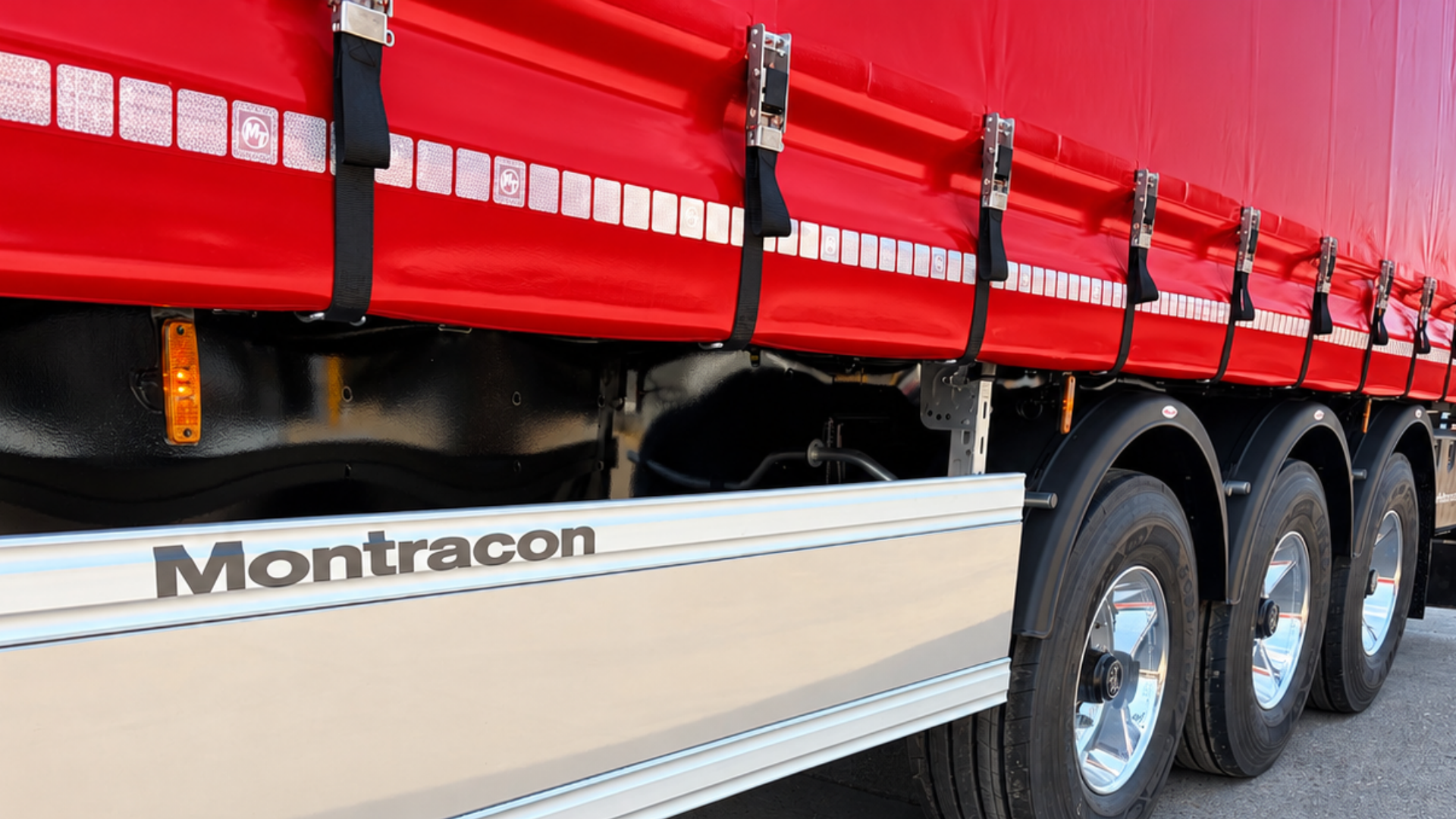
For curtainsider trailers, the curtain system is one of the most frequently damaged and most frequently overlooked parts of the trailer. Check for tears, fraying edges, damaged buckles, broken straps and any damage to the curtain rail. A curtain that looks intact but isn’t properly secured is both a load security risk and a compliance issue. EN12642 XL load restraint certification is only meaningful if the curtain system is in good working order.
Check 5: Rear doors and seals
Open and close the rear doors fully before every run. Check the hinges for wear or damage, make sure the locking bars engage properly and inspect the rubber seals and gaskets around the door frame. A poorly sealing rear door lets water in throughout a journey, which can damage the load, the floor and the internal fittings over time. This is particularly important on longer runs and any trailer left loaded overnight.
Check 6: Coupling and kingpin
The coupling between tractor unit and trailer is one of the most critical connections in the whole combination. The kingpin needs to be in good condition and the fifth wheel locking mechanism needs to be fully engaged before moving off, every single time. Check for wear on the kingpin itself, make sure the coupling is properly seated and test the connection physically before the vehicle moves. A trailer that separates from the tractor unit on the road is a catastrophic event that is entirely preventable.
Check 7: Landing legs
Landing legs get damaged more often than they should, usually in yards and loading bays where space is tight and things get bumped. Inspect for visible damage or bent legs and check that they wind up and down freely. Seized or damaged landing legs tend to get noticed at the worst possible moment, when a trailer needs to be dropped in a hurry or picked up quickly. A quick check takes seconds and avoids a lot of unnecessary disruption.
Check 8: Chassis and body structure
A visual inspection underneath the trailer doesn’t need to be a lengthy process, but it does need to happen regularly. Look for cracks in the chassis, signs of corrosion, loose or missing bolts and anything that looks out of place. On Montracon trailers, bolted construction throughout the body makes damage easier to spot and significantly faster to repair than on welded alternatives. What you’re looking for is anything that wasn’t there last time, or anything that’s changed since the previous check.
Check 9: Load restraint equipment
Straps, ratchets, load bars and any other load restraint equipment used on the trailer should be checked for wear, fraying, damaged fittings and correct operation before every load. Faulty restraint equipment can look perfectly serviceable until it fails under load, and load shift on the road is one of the most dangerous situations a driver can face. If something doesn’t look right, replace it before the trailer goes out.
Check 10: Documentation
A trailer that’s mechanically sound but missing its paperwork is still a problem at a roadside check. Make sure the annual test certificate is current, maintenance records are up to date and any calibration or certification documents relevant to the trailer’s operation are accessible and in order. Roadside checks by DVSA happen, and missing or out of date documentation turns what should be a straightforward stop into a serious compliance issue.
Keeping your trailer on the road
These ten checks cover the most common causes of trailer defects, roadside prohibitions and unexpected downtime. None of them require specialist tools or significant time, but all of them require consistency. A check that gets done nine times out of ten is only slightly better than one that doesn’t get done at all, because problems don’t wait for a convenient moment to appear.
If a check does flag something that needs attention, Montracon’s nationwide network of authorised repair agents covers the whole of the British Isles, so professional support is never far from wherever your fleet is operating. For parts, our dedicated parts division at montraconparts.com stocks a comprehensive range of OEM and aftermarket components, with next day delivery available on orders placed before 3pm.
If you’re in the market for a trailer that’s built to make maintenance straightforward from the start, bolted construction, a five year chassis and body warranty and nearly 50 years of manufacturing experience behind every build, get in touch with the Montracon team.
01302 732500 | sa***@*******on.com