When you’re running hundreds of trailers, small weight savings don’t stay small for long.
Parcel operations are built around scale. High volumes, busy schedules and constant movement mean every part of the fleet needs to earn its place.
That includes the trailer.
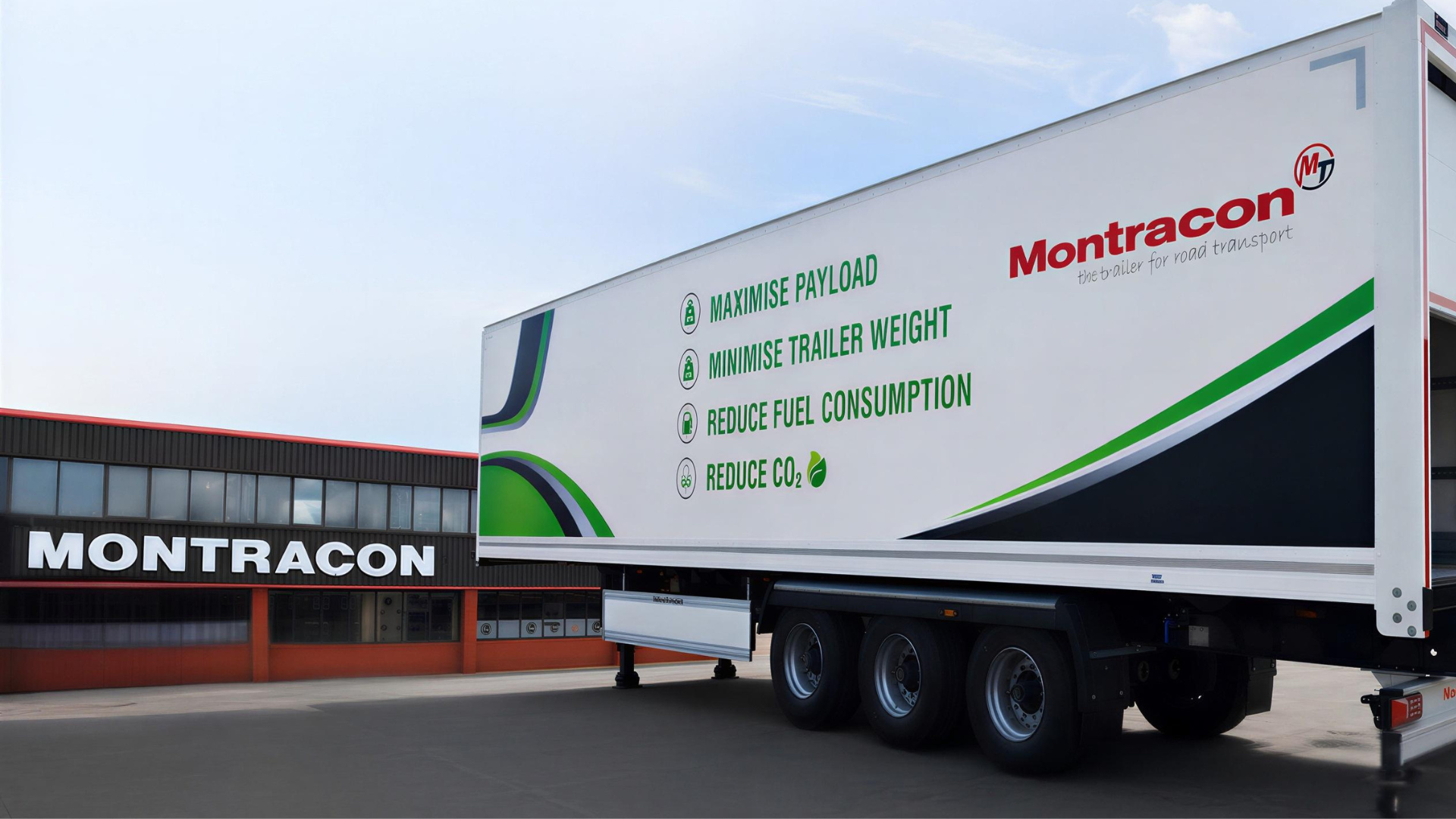
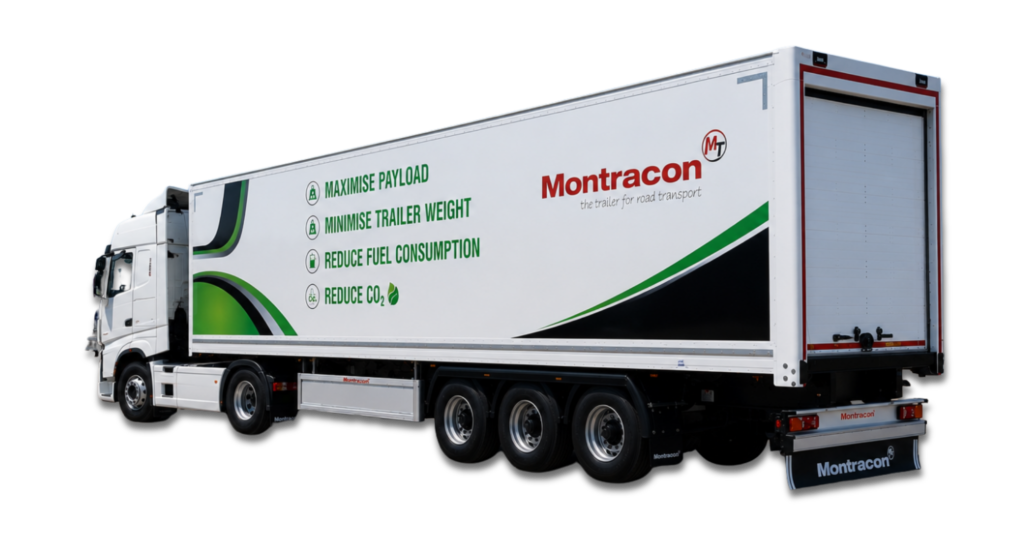
For parcel and distribution operators, a lightweight Box Van trailer can offer an interesting balance between payload, efficiency and the enclosed load protection expected from a Box Van.
Why trailer weight matters at fleet scale
The weight of a single trailer might not seem like the biggest consideration in a large logistics operation.
Multiply that across a substantial fleet and it becomes much more significant.
Reducing unnecessary unladen weight can provide greater flexibility around payload and how vehicles are operated. Where the operation is weight-sensitive, a lighter trailer can allow more of the available capacity to be used for the load itself.
There may also be potential fuel and CO₂ benefits depending on factors such as loading, routes, vehicle specification and utilisation.
Lightweight design isn’t simply about making a trailer lighter, though.
The challenge is removing unnecessary weight without compromising the strength, durability and trailer reliability operators need from working equipment.
Why Box Vans suit parcel operations
Parcel networks have different requirements from many traditional haulage operations.
Loads need to remain enclosed and protected while trailers move between depots, distribution centres and other points across the network.
This is where Box Van trailers come into their own.
Their enclosed body makes them well suited to distribution operations where load protection is important. Combine that with a lightweight design and operators can begin looking at how the trailer itself contributes to wider fleet efficiency.
The question isn’t simply, “How light is it?”
A better question is, “Does the design make sense for the work we’re asking it to do?”
Small efficiencies become much bigger across a fleet
Fleet scale changes the way equipment decisions need to be viewed.
A relatively small improvement on one trailer may not transform an operation overnight. Apply that same improvement across tens or hundreds of trailers, working day after day, and its potential impact becomes much more interesting.
The same principle applies to reliability.
Trailer downtime can disrupt schedules, create additional pressure elsewhere in the fleet and leave operators needing replacement equipment.
For parcel operations built around keeping freight moving, uptime matters.
That is why whole-life costs should sit alongside initial purchase price when evaluating lightweight trailers. Build quality, reliability, warranty and manufacturer support remain important long after the trailer enters service.
Our approach to the Lightweight Box Van
Our Lightweight Box Van was developed to maximise payload while maintaining the quality, strength and longevity customers expect from our trailers.
It was launched at RTX 2026 and represents another step in how we’re developing our Box Van range around the changing requirements of modern fleets.
For us, lightweight engineering isn’t about chasing the lowest possible number on a specification sheet.
It needs to work in the real world.
The trailer still has to withstand the demands of a commercial fleet, which means weight reduction has to be considered alongside durability, reliability and the expected working life of the equipment.
Choosing lightweight trailers for parcel fleets
There is no single trailer specification that will suit every parcel operation.
Fleet size, routes, loading patterns, payload requirements and expected trailer life all need to be considered.
For operators researching their next fleet investment, however, lightweight Box Van trailers are worth looking at closely.
The potential advantages become particularly interesting at scale, where seemingly small improvements can be repeated across an entire fleet.
A lighter trailer still needs to be a strong trailer.
Getting both right is what makes lightweight design useful.
Keep up to date with our latest blogs, trailer news and updates by joining the Montracon mailing list – https://mailchi.mp/montracon.com/e8ycluegml