A trailer can look right on the specification sheet. The real test is whether it still feels like the right decision several years later.
For parcel operators investing in a new trailer fleet, purchase price is only one part of the decision.
Trailer weight, specification, reliability, repairability, parts availability and aftersales support can all affect how that equipment performs throughout its working life.
When those decisions are multiplied across a large fleet, getting them right becomes even more important.
Start with the work the trailer will actually do
A good trailer specification should begin with the operation.
Routes, loading patterns, payload requirements, fleet size and expected working life all influence what makes sense.
Adding options simply because they’re available can increase cost and complexity. Leaving out something the operation genuinely needs can create problems that are repeated every day.
The aim should be a specification that suits the work without overcomplicating it.
Does trailer weight matter?
For some parcel and distribution operations, absolutely.
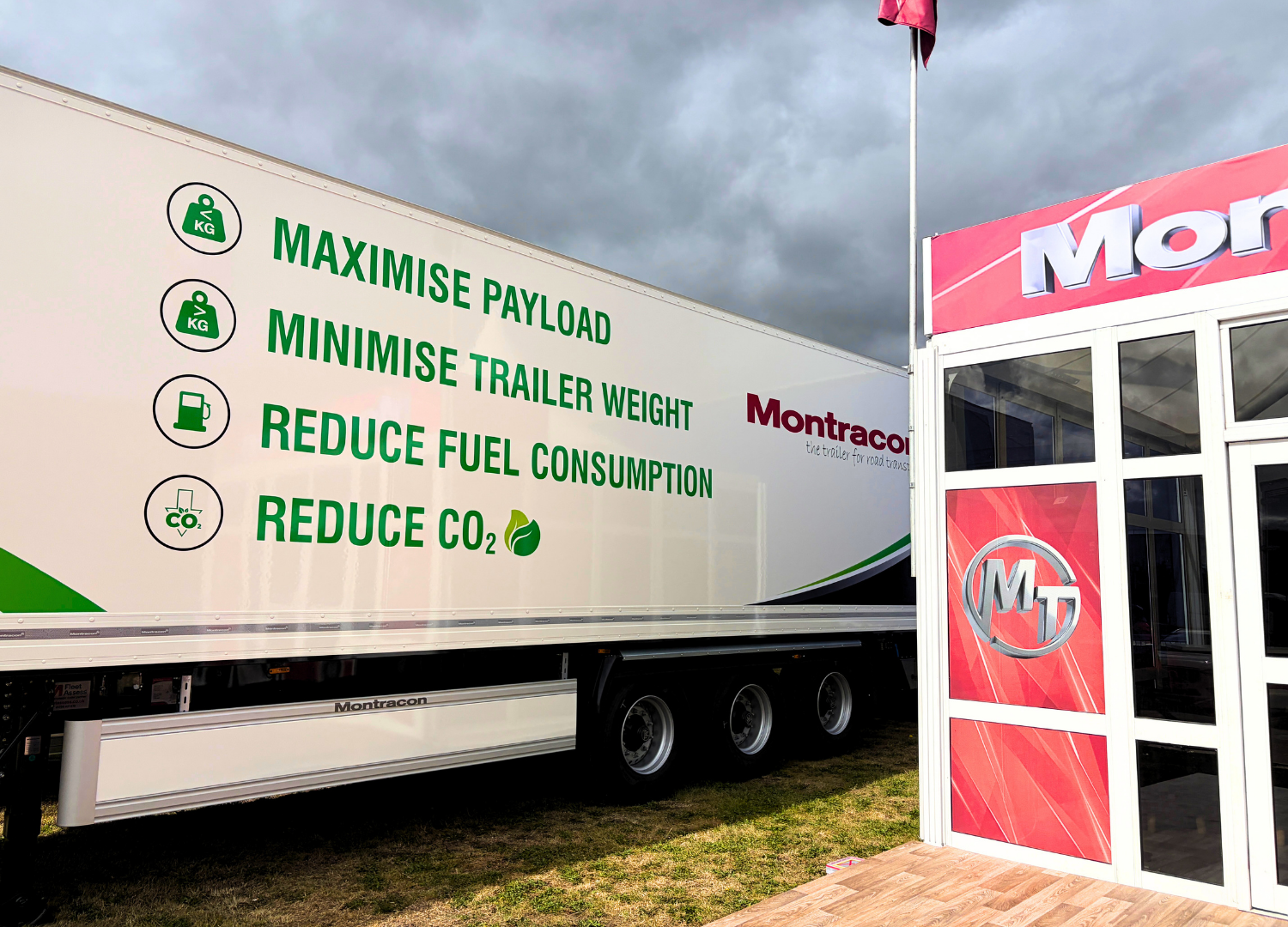
Reducing unnecessary unladen weight can give operators greater flexibility around payload. Potential fuel and CO₂ benefits may also be possible depending on loading, utilisation, routes and the wider vehicle specification.
The important word is unnecessary.
A lightweight trailer still needs the strength and durability required for commercial use. Reducing weight only makes sense when the finished trailer can continue to meet the demands placed on it.
This balance between trailer payload, weight and durability should be part of any lightweight trailer conversation.
Think about reliability before you need it
A trailer earns its keep when it’s working.
When equipment is unavailable, the impact can extend beyond the repair itself. Another trailer may need to take its place, schedules can become harder to manage and additional pressure can be placed on the rest of the fleet.
For parcel operations built around moving high volumes efficiently, trailer uptime and reliability matter.
Fleet operators should consider how the trailer is built and how suitable it is for the work it will perform, rather than focusing entirely on the initial purchase.
How easy will the trailer be to repair?
This is easy to overlook when buying brand-new equipment.
It becomes much more important later.
Commercial trailers work in demanding environments and repairs will inevitably be required during their working lives. Operators should consider repairability, replacement parts and the support available before committing to a large fleet order.
Parts availability deserves particular attention.
A relatively straightforward repair can still create unwanted downtime if the parts needed to complete it are difficult to source.
What happens after delivery?
Choosing a trailer manufacturer UK fleets can rely on shouldn’t only be about the trailer itself.
Ask what happens once the equipment enters service.
What warranty is available? How are replacement parts supplied? What aftersales support is available if a problem occurs?
These questions become particularly important with larger fleets. Supplying the trailers is one part of the relationship. Supporting them throughout their working lives is another.
Look at whole-life cost, not only purchase price
The cheapest quotation doesn’t automatically mean the lowest cost.
Trailer total cost of ownership includes what happens over the years that follow the initial purchase.
Reliability, repairs, parts, downtime and expected trailer lifespan can all influence the true cost of operating the fleet.
A difference in purchase price is visible immediately.
The cost of making the wrong decision may take much longer to appear.
Choosing the right trailer fleet
There isn’t one perfect specification for every parcel operator.
The strongest fleet investment is one based on how the trailers will actually be used and what will be required from them over the longer term.
Look at weight and payload. Consider reliability and repairability. Understand the warranty, parts and aftersales support available. Think about what the trailers could cost to operate, not simply what they cost to buy.
Our experience manufacturing commercial trailers for UK operators has shown just how different fleet requirements can be.
The right question isn’t simply, “What trailer should we buy?”
It’s, “What trailer makes the most sense for our operation over its entire working life?”
Montracon
Keep up to date with our latest blogs, trailer news and updates by joining the Montracon mailing list – https://mailchi.mp/montracon.com/e8ycluegml